
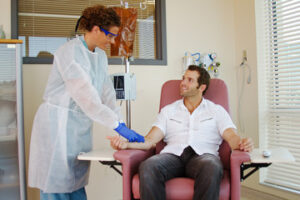
The Importance of Patient Interaction in Phlebotomy
Phlebotomy, the practice of drawing blood for medical tests, transfusions, donations, or research, is a vital component of healthcare. However, the role of a phlebotomist extends beyond the technical act of blood collection. Patient interaction is a crucial aspect of phlebotomy that significantly impacts patient experience and care. This blog post will discuss the role of phlebotomists in patient care, emphasizing the importance of empathy, professionalism, and patient comfort during blood draws.
The Role of Phlebotomists in Patient Care
Phlebotomists are often the first point of contact for patients undergoing medical tests or treatments. Their role includes not only drawing blood but also ensuring that patients are comfortable, informed, and at ease throughout the process. A phlebotomist’s interaction with patients can influence the overall perception of the healthcare experience.
Key Responsibilities of Phlebotomists:
- Blood Collection: Drawing blood safely and efficiently while minimizing discomfort.
- Patient Preparation: Explaining procedures to patients, answering questions, and addressing concerns.
- Sample Handling: Properly labeling and handling samples to ensure accurate test results.
- Record Keeping: Maintaining accurate patient records and documentation.
The Importance of Empathy
Empathy is the ability to understand and share the feelings of another person. In phlebotomy, empathy plays a crucial role in patient care.
Why Empathy Matters:
- Reduces Anxiety: Many patients experience anxiety or fear of needles. Empathetic communication can help alleviate these fears.
- Builds Trust: Patients are more likely to trust and cooperate with healthcare providers who show genuine concern for their well-being.
- Improves Patient Experience: Empathetic interactions can enhance the overall patient experience, making them feel valued and respected.
Professionalism in Phlebotomy
Professionalism encompasses a range of behaviors and attitudes that reflect a phlebotomist’s commitment to their role and to patient care.
Components of Professionalism:
- Appearance: Wearing appropriate attire and maintaining personal hygiene.
- Attitude: Displaying a positive, respectful, and patient-centered attitude.
- Communication: Clearly and effectively communicating with patients and colleagues.
- Confidentiality: Protecting patient privacy and maintaining confidentiality.
Impact of Professionalism:
- Patient Confidence: Professional behavior fosters patient confidence in the phlebotomist’s abilities and in the healthcare system as a whole.
- Quality of Care: Professionalism is associated with high standards of care and adherence to protocols, ensuring patient safety and accurate results.
Ensuring Patient Comfort
Ensuring patient comfort during blood draws is essential for a positive phlebotomy experience. Comfort is influenced by both physical and emotional factors.
Strategies for Ensuring Comfort:
- Explain the Procedure: Clearly explain the steps involved in the blood draw to demystify the process.
- Use Comfort Measures: Apply techniques such as using a smaller needle, providing a distraction, or using topical anesthetics.
- Monitor Patient Reaction: Pay attention to signs of discomfort or distress and respond promptly to address them.
- Post-Procedure Care: Offer post-procedure care instructions and reassure patients about the next steps.
Research and Figures
Patient Satisfaction and Phlebotomy
A study published in the Journal of Clinical Pathology (2020) highlighted the importance of patient interaction in phlebotomy. The study found that 80% of patients reported higher satisfaction when phlebotomists demonstrated empathy and professionalism during blood draws.
Impact on Anxiety Levels
According to research by the British Journal of Nursing (2019), empathetic interactions reduced patient anxiety levels by 60% during phlebotomy procedures. This finding underscores the importance of empathy in patient care.
| Aspect | Percentage Improvement |
|---|---|
| Patient Satisfaction | 80% |
| Reduced Anxiety Levels | 60% |
The importance of patient interaction in phlebotomy cannot be overstated. Empathy, professionalism, and ensuring patient comfort are integral to the role of a phlebotomist. These qualities not only enhance the patient experience but also contribute to better health outcomes. As phlebotomists, focusing on these aspects can transform a routine blood draw into a positive and reassuring experience for patients.
By prioritizing patient interaction, phlebotomists can make a significant impact on patient care, building trust and confidence in the healthcare system. For more insights, tips, and updates on phlebotomy and other healthcare careers, stay tuned to our blog.
References
- Journal of Clinical Pathology. (2020). The Role of Patient Interaction in Phlebotomy.
- British Journal of Nursing. (2019). Empathy and Anxiety Reduction in Phlebotomy.
- U.S. Bureau of Labor Statistics (BLS). (2023). Phlebotomists: Occupational Outlook Handbook.
- National Health Service (NHS). (2023). Phlebotomy: Careers and Training.
- American Society for Clinical Pathology (ASCP). (2023). Phlebotomy Technician Certification.
Your Blood Baron
Olukunmi Nuels